
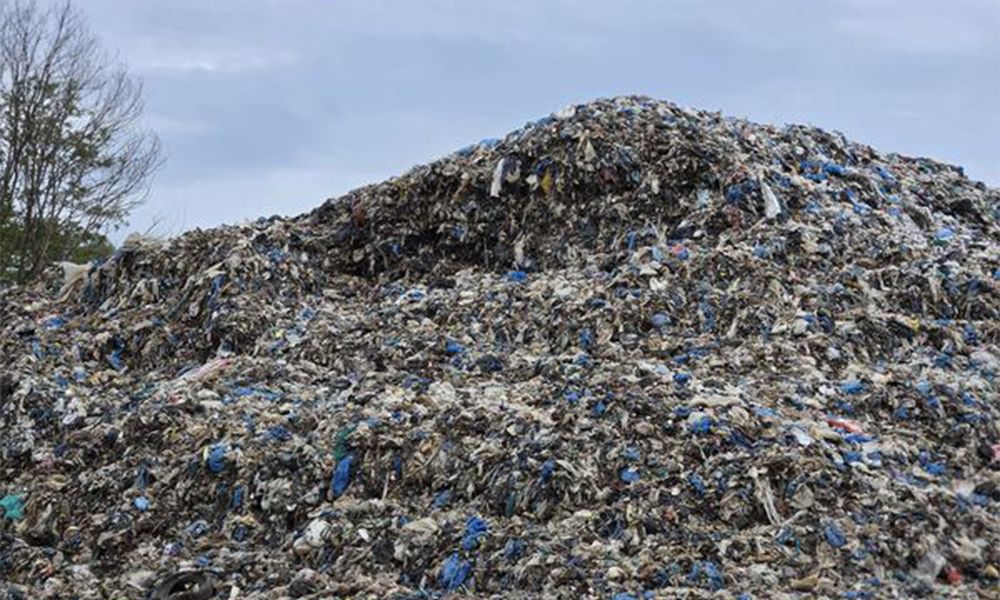
𝗪𝗮𝘀𝘁𝗲 𝗠𝗮𝗻𝗮𝗴𝗲𝗺𝗲𝗻𝘁 𝗶𝗻 𝗕𝗮𝗻𝗱𝗮 𝗔𝗰𝗲𝗵: 𝗣𝗿𝗼𝗯𝗹𝗲𝗺𝘀 𝗮𝗻𝗱 𝗦𝗼𝗹𝘂𝘁𝗶𝗼𝗻𝘀
𝗜𝗻𝘁𝗿𝗼𝗱𝘂𝗰𝘁𝗶𝗼𝗻 Banda Aceh, the capital of Aceh province in Indonesia, faces significant challenges in waste management. Rapid urbanization, population growth, and inadequate waste management infrastructure have led to escalating waste issues that threaten public health and the environment. This overview outlines the key problems in Banda Aceh's waste management and proposes viable solutions.
Problems
𝗜𝗻𝗮𝗱𝗲𝗾𝘂𝗮𝘁𝗲 𝗜𝗻𝗳𝗿𝗮𝘀𝘁𝗿𝘂𝗰𝘁𝘂𝗿𝗲 : The current waste management infrastructure in Banda Aceh is insufficient to handle the volume of waste generated by its growing population. Many areas lack proper waste collection services, leading to littering and illegal dumping. 𝗣𝘂𝗯𝗹𝗶𝗰 𝗔𝘄𝗮𝗿𝗲𝗻𝗲𝘀𝘀 𝗮𝗻𝗱 𝗣𝗮𝗿𝘁𝗶𝗰𝗶𝗽𝗮𝘁𝗶𝗼𝗻: There is a low level of public awareness regarding waste segregation and recycling practices. Many residents do not understand the importance of proper waste disposal, which contributes to contamination of recyclable materials and increased landfill use. 𝗟𝗶𝗺𝗶𝘁𝗲𝗱 𝗥𝗲𝗰𝘆𝗰𝗹𝗶𝗻𝗴 𝗙𝗮𝗰𝗶𝗹𝗶𝘁𝗶𝗲𝘀 : The availability of recycling facilities is minimal, resulting in a significant amount of recyclable materials ending up in landfills. This not only wastes valuable resources but also increases environmental pollution. 𝗣𝗼𝗼𝗿 𝗪𝗮𝘀𝘁𝗲 𝗧𝗿𝗲𝗮𝘁𝗺𝗲𝗻𝘁 𝗮𝗻𝗱 𝗗𝗶𝘀𝗽𝗼𝘀𝗮𝗹 : Existing waste treatment facilities may not operate at full capacity or may lack modern technology. As a result, a large portion of waste is disposed of in landfills without adequate treatment, leading to soil and water contamination. 𝗛𝗲𝗮𝗹𝘁𝗵 𝗥𝗶𝘀𝗸𝘀 : Improper waste management poses serious health risks to the population. Accumulated waste can attract pests and contribute to the spread of diseases, particularly in densely populated urban areas.
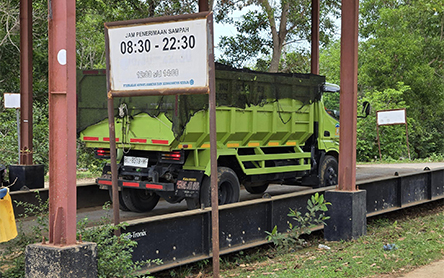
Solutions
𝗜𝗻𝗳𝗿𝗮𝘀𝘁𝗿𝘂𝗰𝘁𝘂𝗿𝗲 𝗗𝗲𝘃𝗲𝗹𝗼𝗽𝗺𝗲𝗻𝘁 : The local government should invest in upgrading waste management infrastructure. This includes expanding waste collection services, establishing more strategically located transfer stations, and improving landfill sites to minimize environmental impact.
𝗣𝘂𝗯𝗹𝗶𝗰 𝗘𝗱𝘂𝗰𝗮𝘁𝗶𝗼𝗻 𝗖𝗮𝗺𝗽𝗮𝗶𝗴𝗻𝘀 : Launching comprehensive public awareness campaigns is essential to educate residents about the importance of waste segregation, recycling, and responsible waste disposal. Workshops, community events, and school programs can help foster a culture of sustainability. 𝗘𝘀𝘁𝗮𝗯𝗹𝗶𝘀𝗵𝗶𝗻𝗴 𝗥𝗲𝗰𝘆𝗰𝗹𝗶𝗻𝗴 𝗣𝗿𝗼𝗴𝗿𝗮𝗺𝘀 : The government can partner with private organizations to develop robust recycling programs. This includes setting up recycling bins in public spaces, incentivizing businesses to recycle, and creating a network of recycling facilities to process materials efficiently. 𝗜𝗻𝘃𝗲𝘀𝘁𝗶𝗻𝗴 𝗶𝗻 𝗠𝗼𝗱𝗲𝗿𝗻 𝗪𝗮𝘀𝘁𝗲 𝗧𝗿𝗲𝗮𝘁𝗺𝗲𝗻𝘁 𝗧𝗲𝗰𝗵𝗻𝗼𝗹𝗼𝗴𝗶𝗲𝘀 : mplementing advanced waste treatment technologies, such as waste-to-energy plants and composting facilities, can significantly reduce landfill usage. These technologies can convert waste into valuable resources, such as energy and compost, while minimizing environmental harm. 𝗛𝗲𝗮𝗹𝘁𝗵 𝗮𝗻𝗱 𝗦𝗮𝗳𝗲𝘁𝘆 𝗥𝗲𝗴𝘂𝗹𝗮𝘁𝗶𝗼𝗻𝘀 : Establishing strict health and safety regulations for waste management is crucial. Regular monitoring and enforcement of these regulations can help ensure compliance, reduce health risks, and protect the environment.
Conclusion
Addressing the waste management challenges in Banda Aceh requires a multifaceted approach that involves infrastructure development, public education, recycling initiatives, and the adoption of modern waste treatment technologies. By implementing these solutions, Banda Aceh can improve its waste management practices, protect public health, and create a cleaner, more sustainable environment for its residents. Collaboration between government, private sector, and the community will be key to achieving these goals.